



Vermont Forest Management: Best Practices for Sustainable Woodland Stewardship
Discover how forest management practices Vermont landowners use promote healthy woodlands, biodiversity, timber quality, and long-term sustainability statewide.

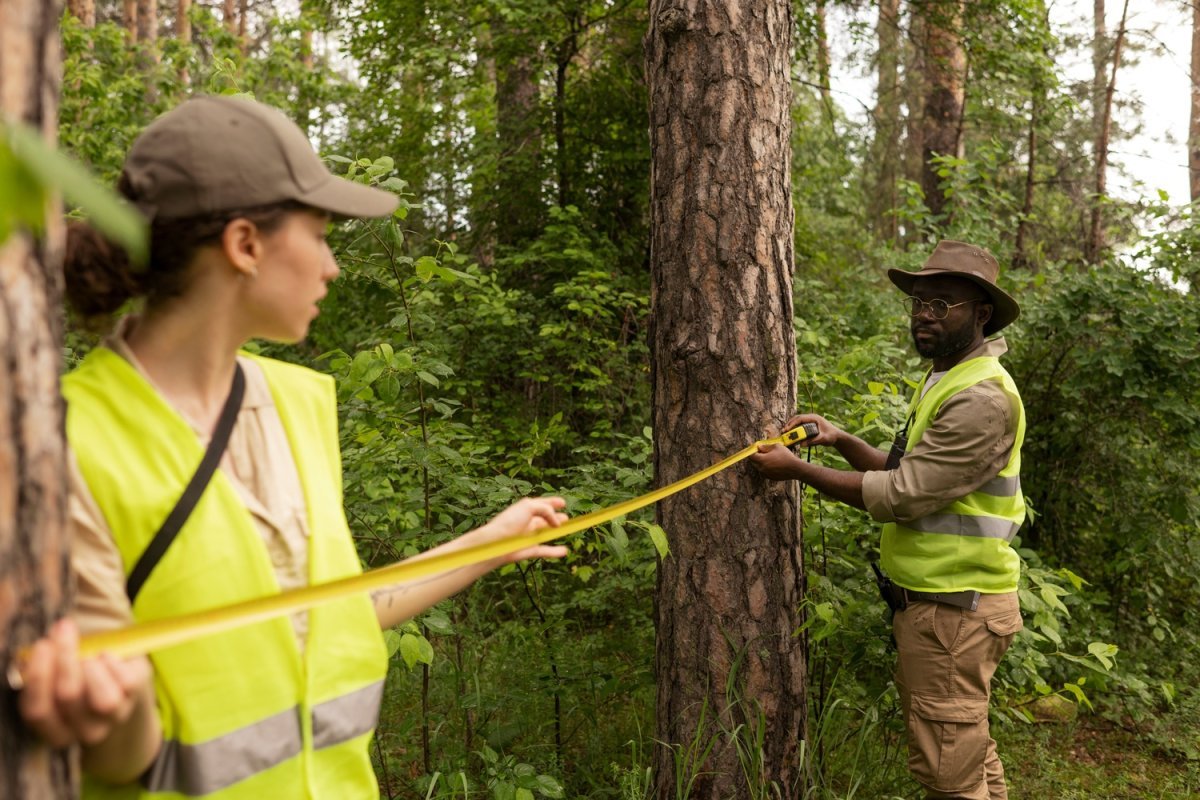


Discover how forest management practices Vermont landowners use promote healthy woodlands, biodiversity, timber quality, and long-term sustainability statewide.
Vermont is one of the most heavily forested states in the country, with roughly three-quarters of its landscape covered in woodland. From the northern hardwood stands of the Green Mountains to spruce-fir forests near the Canadian border, these woods provide timber, maple products, wildlife habitat, and recreation. The forest management practices Vermont landowners follow today will determine whether those benefits endure for generations. This guide explores the most widely used techniques and why they matter.
Why Active Forest Management Matters
Most of Vermont's forests are privately owned, often by families who have held the land for decades. Without active care, woodlands can become overcrowded, vulnerable to disease, and less productive over time. Sound management balances three goals: ecological health, economic value, and outdoor enjoyment. Done well, it keeps forests resilient against pests, storms, and a changing climate.
Timber Stand Improvement and Thinning
One of the most common techniques is timber stand improvement, often called TSI. This involves removing diseased, poorly formed, or overcrowded trees so that the healthiest specimens—the "crop trees"—receive more sunlight, water, and nutrients. Thinning overcrowded stands accelerates growth, improves wood quality, and reduces stress across the forest. Landowners often combine thinning with crop tree release, a method that focuses care on individual trees valued for timber, mast production, or aesthetics.
Selective and Shelterwood Harvesting
Vermont foresters favor harvest methods that mimic natural disturbance. Single-tree and group selection cutting remove trees scattered across a stand, maintaining a continuous canopy and creating the uneven-aged structure typical of northern hardwood forests. Shelterwood cuts, by contrast, gradually remove mature trees in stages, allowing sunlight to reach the forest floor and encouraging regeneration of species such as oak and white pine. Choosing between these approaches depends on site conditions, tree species, and long-term objectives.
Supporting Natural Regeneration
A harvest is only successful if the next forest takes root. Regeneration-focused management includes protecting seedlings from heavy deer browse, controlling competing vegetation such as beech sprouts and ferns, and retaining seed trees during cutting. Where natural regeneration is slow, replanting native species helps reestablish desired stands. Patience is essential—healthy regeneration can take years to become fully established.
Enhancing Wildlife Habitat
Forests managed with wildlife in mind support a remarkable range of species. Common practices include retaining snags and downed woody material for cavity-nesting birds and small mammals, preserving mast-producing trees like oaks and beeches, and creating small openings that encourage early successional growth. These patchy habitats benefit ruffed grouse, woodcock, songbirds, deer, and countless other animals that depend on diverse forest structure.
Controlling Invasive Species and Forest Pests
Invasive plants such as buckthorn, honeysuckle, barberry, and garlic mustard can outcompete native seedlings and degrade woodland health. Regular monitoring, manual removal, and targeted treatment help keep them in check. Vermont landowners also watch for emerging threats like the emerald ash borer and hemlock woolly adelgid, adjusting their plans to protect vulnerable species and maintain canopy diversity as a natural safeguard.
Caring for Sugarbushes
Maple sugaring is woven into Vermont's identity, and sugarbush management is a specialized practice in its own right. Maintaining a vigorous stand of sugar maples involves crown release thinning, removing competing trees, and monitoring soil and tree health. Increasing species diversity within sugarbushes is also becoming common, providing a hedge against climate stress and future uncertainty.
Management Plans and Long-Term Stewardship
The foundation of every well-managed woodland is a written forest management plan. These documents outline stand conditions, goals, harvest schedules, and habitat objectives, typically reviewed every ten years. Vermont landowners can work with consulting foresters and state county foresters to develop plans, and enrollment in the state's Use Value Appraisal program encourages long-term, active stewardship by reducing property taxes on managed forestland.
Conclusion
Healthy forests rarely happen by accident—they result from deliberate, patient care. By understanding the forest management practices Vermont relies upon, from thinning and selective harvesting to regeneration and invasive species control, woodland owners can protect their investment while sustaining the working landscapes, wildlife, and natural beauty that define the Green Mountain State.
What's Your Reaction?
 Like
0
 Dislike
0
 Love
0
 Funny
0
 Wow
0
 Sad
0
 Angry
0









Comments (0)