



Stairlifts in Homes With Pets and Children: Everyday Safety Habits

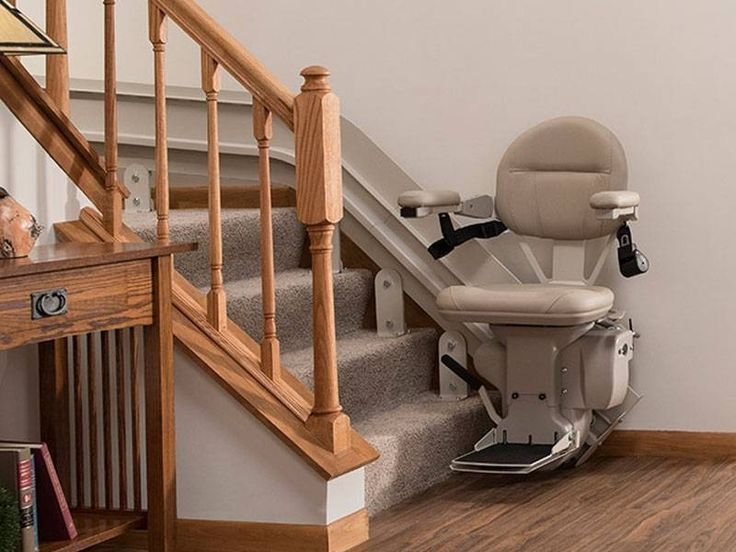


A stairlift can give an older adult or a person with limited mobility their freedom back. But a home with pets and kids is a busy place, and a moving chair on the stairs brings new things to think about. The good news is that small habits make a big difference. If you are shopping for chair lifts for stairs, this guide will help you set up a safe routine that works for the whole household.
We will cover how to protect little ones and animals, how to keep the track clear, and how to think about price as you plan.
Why Busy Homes Need Extra Care
Stairlifts are built with safety in mind. Most have seat belts, swivel seats, sensors, and automatic stops. Even so, they run on a track that sits right on the stairs, and that space is also where kids run and cats nap.
Children are curious. A moving chair looks like a ride. Pets are curious too, and many love to chase moving objects. Neither one understands the risk of a pinch point or a sudden stop.
The solution is not to avoid a stairlift. It is to set clear rules and keep the stairs predictable. A calm routine protects the rider, the child, and the pet at the same time.
Teach Children the Rules Early
Kids follow rules best when you explain them simply. Sit down with your children and show them the stairlift while it is off. Let them look at it, touch the seat, and ask questions. That cuts down on the urge to experiment later.
Share a few firm rules:
-
The stairlift is not a toy, and nobody plays on it
-
Only the person who needs it rides it
-
Never stand or sit on the track
-
Keep hands away from the rails and the moving parts
-
Do not push buttons or use the remote without permission
Remove the key or switch off the power when the chair is not in use, if your model allows it. Many units have a key switch for exactly this reason. Store the remote in a spot kids cannot reach.
Praise good behavior. Children who feel included usually respect the rules more.
Keep Pets Safe Around the Track
Pets need training too. Dogs may bark at the sound or follow the chair up the stairs. Cats might sleep on the folded seat or footrest because it feels warm and snug.
Start by letting your pet sniff the chair while it is off. Then run it slowly while you stay close. Reward calm behavior with a treat. Over time, most animals accept the noise.
Use gates at the top or bottom of the stairs if you need to. A baby gate stops a puppy from darting into the path. Always check where the pet is before you start the lift.
Watch tails, paws, and leashes. A dangling leash or a long tail can get caught. Keep small pets away from the track area entirely, and sweep pet hair off the rails so it does not clog the moving parts.
Daily Habits That Prevent Accidents
Safe use is about repeating the same steps every time. Build this short checklist into your day.
-
Look up and down the stairs before you sit
-
Clear toys, shoes, bags, and bowls from the steps
-
Fasten the seat belt every ride
-
Fold the footrest and arms after use
-
Park the chair at the end so it does not block the walkway
-
Keep hands and clothing away from the rail
Check the lighting, too. A bright, even light on the stairs helps everyone see the track and any stray objects. Add a night light for late trips.
Once a month, wipe down the rails and inspect for loose screws or frayed cords. Schedule a professional service every year. A technician can test the batteries, sensors, and motor before a small issue becomes a big one.
Thinking About Cost and Fit
Many families ask about price before anything else. The chair lift cost depends on the type of stairs, the brand, and the features. Straight stairs usually cost less. Curved stairs need a custom rail, which raises the price. Outdoor models cost more because of weather protection.
Beyond the sticker price, ask about installation, warranty, and maintenance. Some companies include a service plan. Others charge extra. Used or reconditioned models can save money, but check the safety features and warranty first.
Think about timing, too. Many people wait until a fall pushes them to act. It often works better to plan ahead. If you want to know when the moment is right, this piece on signs your stairs are becoming a daily struggle and when to reconsider a stairlift shares useful warning signs. Reading it before you decide can save you stress and money.
Making It Work for Everyone
The best stairlift setups feel natural to the whole family. Choose a model with a compact fold so it stays out of the way. A slim rail leaves more room for others on the steps. Pick a color and finish that blend with your stairs.
Talk to the installer about your pets and children. They have seen many homes and can suggest sensors, key switches, or safety covers. Ask for a full walk-through, and make sure every adult in the home knows how to use the controls and the emergency stop.
Plan an emergency routine as well. Know how to stop the chair, how to release the rider, and who to call for help. Post the service number near the stairs. In a busy house, a clear plan keeps panic away.
Review your habits every few months. Kids grow, pets age, and routines shift. A rule that worked for a toddler may need an update for a curious eight year old. A quick family chat keeps everyone on the same page.
A stairlift should make home life easier, not more stressful. With simple rules, a tidy staircase, and a little planning, even the busiest household can ride safely. Start by walking your stairs today and noting what could get in the way. Then talk with your family and a trusted installer about the best setup for your home.
What's Your Reaction?
 Like
0
 Dislike
0
 Love
0
 Funny
0
 Wow
0
 Sad
0
 Angry
0





Comments (0)