



A Cinematic Chameleon: Unraveling Fairuza Balk Film Legacy

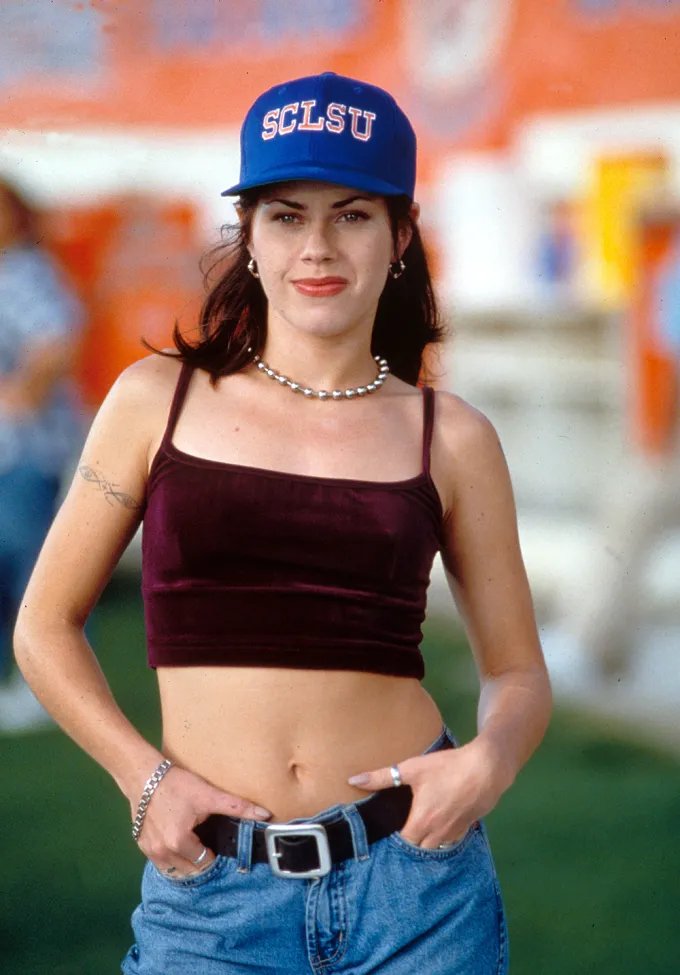


Fairuza Balk has never been an actress who fits easily into one category. Over the course of her career, she has played innocent children, troubled teenagers, rebellious young women, and complicated supporting characters. She has appeared in fantasy films, independent dramas, horror movies, comedies, and major Hollywood productions. Yet despite this variety, there is something familiar about her performances. She brings an intensity to her characters that makes them difficult to forget.
For many people, Balk is best known as Nancy Downs from The Craft, the 1996 supernatural drama that became a defining movie for a generation. Others remember her as Dorothy Gale in Return to Oz, a role she played when she was still a child. Her other performances, including appearances in Gas Food Lodging, American History X, The Waterboy, and Almost Famous, show that her career is much broader than those two famous roles.
What makes Balk story interesting is not simply the number of movies she has made. It is the way she moved from one kind of character to another without allowing herself to be completely defined by any single performance. She became famous at a young age, grew into a respected actress, experienced the unusual attention that came with a cult classic, and eventually became more selective about her work fairuza balk foot size.
A Young Actress With an Unusual Start
Fairuza Alejandra Balk was born on May 21, 1974, in Point Reyes, California. She grew up in an artistic family. Her father, Solomon Feldthouse, was a musician, while her mother, Cathryn Balk, was involved in dance. This creative environment gave Balk an early connection to the performing arts.
Her acting career began when she was young, and she quickly found opportunities in television and film. Her breakthrough arrived with Return to Oz, released in 1985.
Playing Dorothy Gale was an enormous opportunity for a young performer. The film was intended as a darker continuation of the world created by L. Frank Baum, rather than a simple remake of the beloved 1939 musical. Its atmosphere was strange, mysterious, and at times genuinely frightening.
Balk's Dorothy had to carry much of the story. She was surrounded by unusual creatures, dangerous villains, and unfamiliar landscapes, yet the performance never felt exaggerated simply because she was working in a fantasy setting. Dorothy remained a believable child who was frightened by what she encountered but determined to find her way home.
The movie did not become an immediate blockbuster, but its reputation changed with time. Years after its release, it found a devoted audience that appreciated its unusual atmosphere and imaginative storytelling. Balk's performance became an important part of that lasting appeal.
Growing Up on Screen
Moving from childhood acting into adult roles can be difficult. Young performers are often remembered for the characters they played as children, and audiences can have trouble accepting them in more mature roles.
Balk began that transition earlier than many people might expect.
In 1989, she appeared in Valmont, directed by Miloš Forman. The period drama gave her an opportunity to work with an established filmmaker and an adult cast. It was a clear step away from the fantasy world of Return to Oz.
During the following years, Balk continued looking for roles that allowed her to grow as a performer. Instead of relying entirely on her childhood fame, she began building a new identity through dramatic and independent films.
One of the most important of these was Gas Food Lodging.
The Importance of Gas Food Lodging
Released in 1992 and directed by Allison Anders, Gas Food Lodging was a quiet independent drama centered on a mother and her daughters. Balk played Shade, a teenager trying to understand her family and her own place in the world.
The role required a very different kind of performance from Return to Oz. There were no fantasy creatures or elaborate sets to distract from the actors. The story depended on relationships, emotions, and everyday struggles.
Balk's performance was widely praised, and she won the Independent Spirit Award for Best Female Lead.
The recognition was important because it showed that she could succeed outside large studio productions. She was no longer simply the young actress who had played Dorothy. She was developing into a serious performer who could handle complicated dramatic material.
The movie also revealed something that would become common throughout her career. Balk often seemed drawn to characters who felt different from the people around them. Her characters could be vulnerable, angry, rebellious, lonely, or simply uncertain about where they belonged.
The Role That Changed Everything
In 1996, Fairuza Balk took on the part that would define her public image for years to come.
The Craft told the story of four teenage girls who become involved with witchcraft. Balk played Nancy Downs, an angry and troubled teenager whose newfound supernatural abilities gradually lead her toward increasingly destructive behavior.
Nancy was not a conventional movie villain. At the beginning of the story, she is an outsider who has experienced poverty, abuse, and humiliation. She wants control over her life and is tired of feeling powerless.
Once she discovers that she has supernatural abilities, however, her desire for control begins to turn into something darker.
Balk played Nancy with an intensity that made the character immediately memorable. Her expressions, voice, body language, and attitude all contributed to the character's threatening presence.
For many viewers, Nancy became the most unforgettable person in the movie.
Why The Craft Became a Cult Favorite
When The Craft was released, it appealed strongly to teenagers who felt like outsiders. Its themes included friendship, identity, bullying, insecurity, power, and the desire to be accepted.
The movie also had a strong visual identity. Its fashion, music, supernatural imagery, and portrayal of teenage rebellion became closely associated with 1990s youth culture.
Over time, The Craft developed a much larger following than its original reputation might have suggested.
Nancy became especially popular. Her character was frightening, but she was also vulnerable and complicated. That combination allowed audiences to interpret her in different ways.
Some viewers saw her as a warning about what can happen when anger and power go unchecked. Others connected with her feelings of isolation and her desire to stop being powerless.
Balk later discussed how surprised she was by the way audiences interpreted Nancy. People sometimes told her that the character had helped them through difficult experiences, even though Nancy herself was not intended to be a straightforward role model.
That is one of the strongest signs of a memorable performance: the character continues to mean something different to different people.
Avoiding the Nancy Downs Trap
After The Craft, Balk faced a problem that many successful actors experience. Her most famous character had become so popular that it could have easily defined the rest of her career.
There was a clear risk that filmmakers would simply offer her similar roles.
Balk, however, continued to move in different directions.
She appeared in The Island of Dr. Moreau and later took roles in films such as American History X, The Waterboy, and Almost Famous.
The variety of these projects is striking.
American History X was a serious drama dealing with racism, violence, and personal change. The Waterboy was a broad comedy. Almost Famous was a nostalgic coming-of-age story about music and youth.
None of these performances required Balk to simply recreate Nancy Downs.
That willingness to change is one of the most important parts of her career.
A Serious Role in American History X
In American History X, Balk played Stacey, the sister of Edward Norton's character.
The movie explored the destructive effects of racism and extremist ideology on a family and community. Its subject matter was difficult, and the film became known for its intense performances fairuza balk breasts.
Balk role was not the central one, but her presence helped strengthen the emotional world of the story.
The film also helped reinforce the idea that Balk could work in serious adult dramas. Her career was no longer connected solely to fantasy or supernatural stories.
Showing Her Comic Side in The Waterboy
Balk surprised some audiences with her appearance in The Waterboy.
The Adam Sandler comedy was deliberately exaggerated and relied on broad humor. Balk played Vicki Vallencourt, the love interest of Sandler's character.
The role allowed her to show a lighter side of her personality.
It is easy to overlook this performance when discussing Balk's career because The Craft has such a powerful reputation. Yet The Waterboy is useful evidence of her range.
She could move from dark psychological material to comedy without appearing uncomfortable.
Joining the World of Almost Famous
Balk appeared as Sapphire in Cameron Crowe's Almost Famous, released in 2000.
The movie followed a young journalist who travels with a fictional rock band during the 1970s. It became one of the most warmly remembered films about youth, music, and growing up.
Balk's role was part of a large ensemble. She did not have to carry the movie herself, and that made the performance interesting in a different way.
She was able to become part of the larger atmosphere of the story while still bringing her own personality to the character.
The film became another example of Balk willingness to work across genres rather than remain tied to one particular type of movie.
Her Connection With Independent Film
Independent cinema remained an important part of Balk's career.
She appeared in films such as Personal Velocity: Three Portraits, Don't Come Knocking, Wild Tigers I Have Known, Humboldt County, and Bad Lieutenant: Port of Call New Orleans.
These projects differed greatly in tone and subject matter.
Some were small dramas, while others were darker and more unconventional. Together, they showed that Balk remained interested in characters rather than simply pursuing the largest possible productions.
That choice helped preserve something distinctive about her career.
She did not appear to be interested in becoming a conventional Hollywood celebrity at all costs. Instead, she often chose projects where she could play unusual people and work with filmmakers pursuing specific artistic ideas.
The Public Image of Fairuza Balk
Balk appearance and personality became part of the public fascination surrounding her.
Her distinctive look worked especially well with the dark characters she played during the 1990s. Unfortunately, that also encouraged some media coverage to reduce her to a particular image: the mysterious, rebellious, or "dark" actress.
Balk has spoken about being uncomfortable with this kind of labeling.
The problem with such a narrow image is that it ignores much of her career. The actress who played Nancy Downs also played Dorothy Gale, Shade, Stacey, Vicki Vallencourt, and Sapphire. These characters are very different from one another.
Celebrity culture has also produced countless searches about her personal appearance, including phrases such as "Fairuza Balk foot size" and "Fairuza Balk breasts." Such subjects say very little about her professional accomplishments, and claims about private measurements are often repeated online without dependable sources.
The more meaningful story is her work.
Her lasting reputation comes from the characters she created, not from measurements or appearance-based speculation.
Life Away From the Hollywood Spotlight
As the years passed, Balk became less visible in mainstream Hollywood.
That did not mean she had stopped being creative.
She explored music, painting, writing, and other artistic interests. Her decision to spend less time in the Hollywood spotlight also reflected her feelings about the entertainment industry's treatment of actors.
In interviews, she has discussed becoming frustrated with the way media outlets portrayed her and with the tendency to reduce her personality to the image associated with some of her darker roles.
Stepping back allowed her to pursue creative interests on her own terms.
That decision may have contributed to her becoming somewhat mysterious to later audiences. She was not constantly appearing in major releases or entertainment news, but her older films continued to attract new fans.
Returning to Nancy Downs
In 2020, Balk returned to the world of The Craft with an appearance in The Craft: Legacy.
Her return was meaningful for longtime fans because Nancy Downs had remained such an important part of her career.
More than two decades had passed since the original movie, yet audiences still remembered the character clearly.
The appearance also showed how strongly the original The Craft had remained in popular culture.
For an actress who had worked hard to avoid being defined by one role, returning to Nancy could have seemed like a step backward. Instead, it felt like an acknowledgment of the character's importance without erasing everything else she had accomplished.
The Lasting Appeal of Return to Oz
The same kind of renewed appreciation happened with Return to Oz.
The movie that had once been considered strange and frightening gradually became a favorite among viewers who discovered it years later.
Balk's performance as Dorothy has benefited from that change in perception.
There is something fitting about the fact that both of Balk's most famous films became cult favorites. Neither movie was built around a conventional idea of mainstream entertainment. Both were unusual, visually distinctive, and willing to explore darker themes.
Balk's performances fit naturally into those worlds.
What Makes Her a Cinematic Chameleon?
The description "cinematic chameleon" works for Balk because she has repeatedly changed the way she approaches her characters.
Dorothy was an innocent child facing an unfamiliar world.
Shade was a teenager struggling with family and identity.
Nancy was an angry young woman whose search for power became destructive.
Stacey belonged to a serious social drama.
Vicki Vallencourt was part of an exaggerated comedy.
Sapphire was part of a colorful musical ensemble.
These roles do not look alike, sound alike, or behave alike.
Yet Balk managed to make each one believable.
That is the mark of a versatile actor.
Why Her Film Legacy Endures
Fairuza Balk's legacy is not based solely on commercial success.
Her importance comes from the fact that certain performances have remained meaningful long after their original releases.
Return to Oz continues to attract viewers who appreciate its darker approach to fantasy. The Craft remains a major part of 1990s cult cinema. Gas Food Lodging demonstrates her ability to deliver serious independent-film performances, while American History X, The Waterboy, and Almost Famous show how comfortably she could move between very different genres.
Her career also illustrates how audiences can reclaim movies and characters over time.
A film may not receive its full appreciation when it first appears. Years later, a new generation can discover it and see something in it that earlier audiences missed.
Balk has benefited from that process repeatedly.
Final Thoughts
Fairuza Balk career is difficult to summarize because it has never followed a straight line.
She began as a child actress and became known around the world through Return to Oz. She then worked to establish herself as an adult performer, earning critical recognition for Gas Food Lodging. With The Craft, she became a cult icon whose portrayal of Nancy Downs would remain part of popular culture for decades.
But Nancy was never the whole story.
Balk continued working in serious dramas, comedies, independent productions, and ensemble films. She explored other forms of art and became more selective about her public life. Her decision not to remain constantly visible only made audiences more curious about her work.
What truly defines her career is her ability to make complicated characters memorable.
She has played innocent, troubled, rebellious, funny, vulnerable, and dangerous characters, often bringing an unmistakable intensity to each one. Her performances are rarely bland, and even when her role is relatively small, she has a way of making it stand out.
That is why Fairuza Balk remains an interesting figure in film history.
She is not simply the actress who played Nancy Downs. She is not simply the child star from Return to Oz. She is a performer whose career has moved through different generations, genres, and styles while maintaining a distinctive identity.
Her film legacy is ultimately built on individuality. She followed an unconventional path, embraced unusual roles, and created characters that audiences continue to remember.
What's Your Reaction?
 Like
0
Like
0
 Dislike
0
Dislike
0
 Love
0
Love
0
 Funny
0
Funny
0
 Wow
0
Wow
0
 Sad
0
Sad
0
 Angry
0
Angry
0











Comments (0)