



Neuro Breath: Benefits, Causes and Neuro Rehabilitation in Ireland
Discover how neuro breath relates to breathing patterns, neurological health and rehabilitation. Explore expert-led care at Craniaa Neuro Rehab Centre.
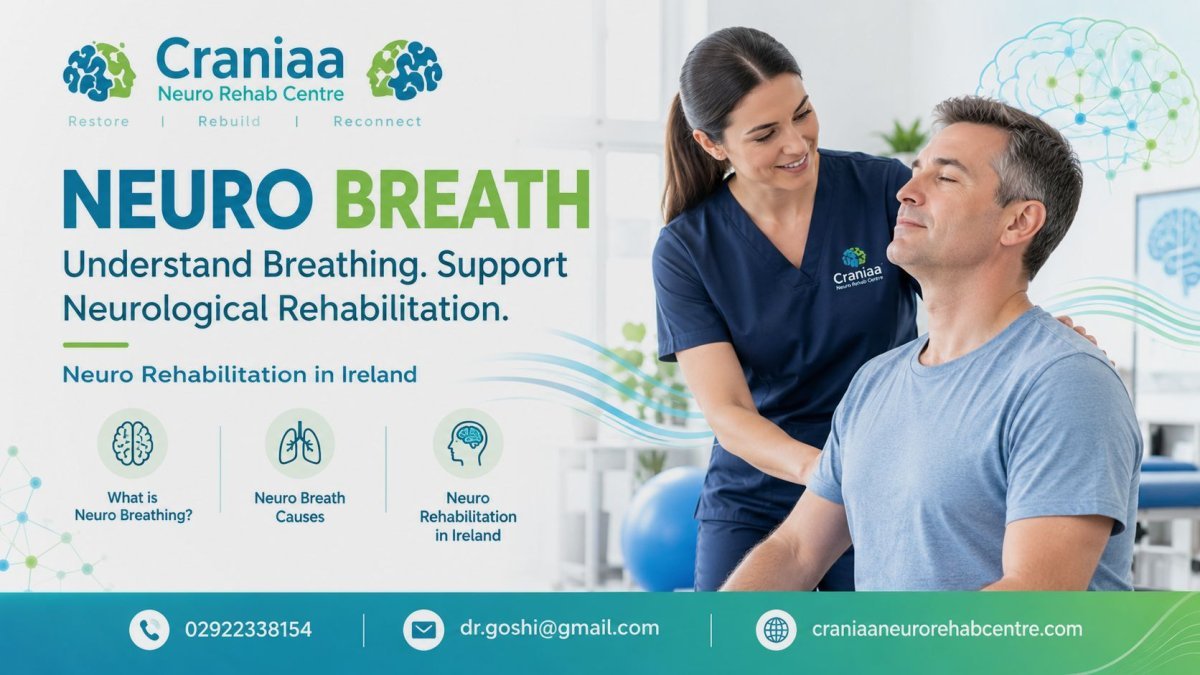


Did you observe any changes in breathing, muscle coordination, posture, or movement after the neurological injury you had? This is indeed frustrating because of the effect that it has on one’s independence and quality of life. Understanding neuro breath and its relationship with neurological health can help you explore appropriate rehabilitation options.
Breathing is more than simply taking air into your lungs. It involves coordinated activity between the brain, respiratory muscles, and nervous system. At Craniaa Neuro Rehab Centre, neurological rehabilitation includes a focus on respiratory function as part of a broader approach to supporting movement and daily activities.
What Is Neuro Breath, and Why Does It Matter?
Understanding the Connection Between Breathing and the Brain
What is neuro breathing? It refers to the relationship between the nervous system and the processes that control breathing. The brain regulates respiratory rhythm, while muscles such as the diaphragm help move air into and out of the lungs.
In cases where a neurological problem arises in the system, respiration may be affected. Some patients have weak respiratory muscles, lack of coordination, and problems in maintaining proper respiration.
Understanding neuro breath means recognising that breathing, posture, movement, and neurological function can be interconnected. However, symptoms vary between individuals, and breathing difficulties can have several different causes.
This can be evaluated by a qualified health care provider to determine whether breathing assistance would be a vital aspect of the rehabilitation process.
Neuro Breath Cause: What Can Affect Breathing Patterns?
Common Factors Behind Respiratory Difficulties
The neuro breath cause is not always straightforward. Breathing difficulties may develop because of neurological damage, respiratory muscle weakness, or other medical conditions.
Several factors can contribute:
-
Brain injury: Damage affecting respiratory control may change breathing patterns.
-
Strokes: Some stroke patients develop weakness or poor coordination of their breathing muscles.
-
Nerve Disorders: There are certain diseases that can affect breathing muscles and nerves.
-
Poor posture: Restricted chest movement may make comfortable, efficient breathing more difficult.
-
Reduced mobility: Lack of physical activities may lead to deconditioning and decreased respiratory endurance.
Acknowledging these factors marks the first crucial step to getting proper care. Persistent difficulty breathing, breathing changes without notice, or difficulty swallowing must never be ignored and treated normally in relation to a neurological problem.
Make sure to consult a professional to help determine the underlying cause of your symptoms.
How Neuro Breath Therapy May Support Rehabilitation
A personalised rehabilitation programme may include breathing exercises, respiratory muscle training, posture work, and movement-based activities when clinically appropriate.
At Craniaa Neuro Rehab Centre, neuro-respiratory therapy has been referred to as one of its first-step therapy method interventions. It is an approach based on the mechanics of breathing and its association with trunk control and postural movements.
Whether a particular method is appropriate for a patient is determined by his/her diagnosis and ability. Rehabilitation should be guided by appropriately qualified professionals, with progress monitored against realistic functional goals.
Practical Ways to Support Healthy Breathing
Alongside professional guidance, some everyday habits may help support respiratory health:
-
Maintain comfortable posture: Sit upright when possible to allow room for chest expansion.
-
Perform prescribed exercises: Practice prescribed breathing exercises with the frequency suggested by your therapist.
-
Remain suitably active: Engage in activities that meet your physical abilities and health condition.
-
Keep track of symptoms: Track any changes in breathlessness, fatigue, or exercise intolerance.
-
Attend follow-up appointments: Regular reviews help your healthcare team adjust your rehabilitation plan.
Never force deep breathing or begin strenuous respiratory exercises without guidance if you have a neurological condition or existing breathing difficulties.
Neuro Rehabilitation in Ireland: Finding the Right Support
Access to suitable rehabilitation can make navigating a neurological condition less overwhelming. Neuro rehabilitation in Ireland may involve physiotherapy, occupational therapy, respiratory assessment, and other specialist services, depending on individual needs.
Before selecting a rehabilitation facility, ensure that you inquire about clinical competence, testing protocols, customized treatment plans, and means by which progress will be tracked. Such knowledge allows patients to make better-informed decisions.
Craniaa Neuro Rehab Centre provides rehabilitation services to those with neurological disorders and brain/spinal cord injuries. Information on their services includes that of a program involving neuro-respiratory therapy, among other rehabilitation methods.
If you are exploring neuro breath support, discuss your symptoms and goals with a qualified healthcare professional. A suitable care plan should reflect your needs, explain the intended outcomes, and acknowledge that recovery varies from person to person.
Conclusion: Take the Next Step Towards Better Support
Breathing difficulties can affect comfort, confidence, and daily activities, particularly when neurological conditions are involved. Understanding neuro breath, identifying potential causes, and seeking an appropriate assessment can help you take informed steps towards managing these challenges.
Craniaa Neuro Rehab Centre provides information about its rehabilitation services for individuals and families exploring neurological care.
Ready to learn more? Contact Craniaa Neuro Rehab Centre to discuss available services and determine whether an assessment may be appropriate for your needs. Taking the first step towards professional guidance can help you build a clearer, more informed rehabilitation plan.
What's Your Reaction?
 Like
0
 Dislike
0
 Love
0
 Funny
0
 Wow
0
 Sad
0
 Angry
0
Craniaa Neuro Rehab Centre offers specialised physiotherapy and neurological rehabilitation in Ireland. Our Neuro Breath and Spider Cage Therapy programmes support breathing, muscle strength, balance, coordination, and mobility through personalised care for children and adults.












Comments (0)