



What Happens to Roofing Materials After Repeated Hailstorms?
Learn how repeated hailstorms affect asphalt shingles, metal roofs, tiles, and other roofing materials. Discover warning signs, repair options, and prevention tips.
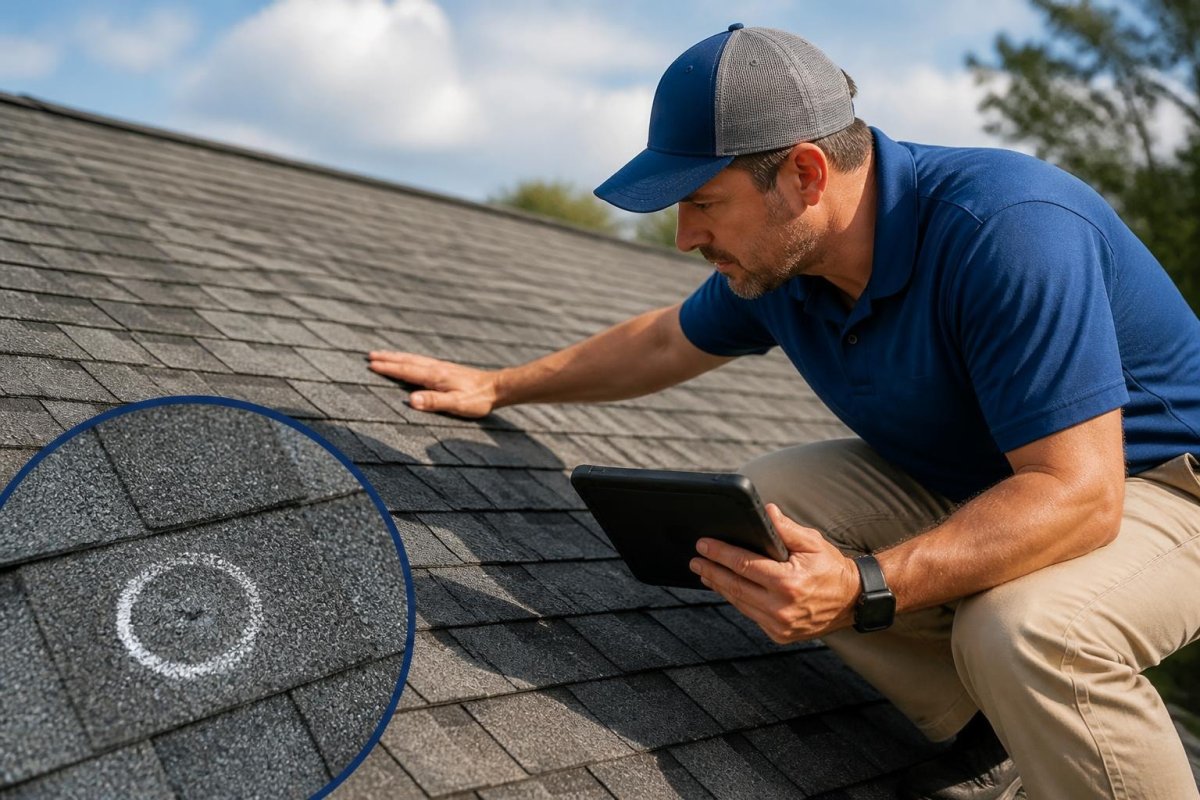


Repeated hailstorms can take a significant toll on a roof, even when the damage is not immediately visible. While a single hailstorm may leave behind a few dents, cracked shingles, or minor surface marks, multiple storms can gradually weaken roofing materials, reduce their protective capabilities, and shorten the overall lifespan of a roofing system.
For homeowners, understanding how hail affects different roofing materials is essential for making informed maintenance and repair decisions. Asphalt shingles, metal panels, tile roofs, and other roofing systems respond differently to repeated impacts. Some materials may develop visible cracks or dents, while others may experience hidden damage that becomes apparent only after water begins entering the home.
Several factors affect long-term outcomes, including hailstone size, wind speed, impact angle, roofing material quality, roof age, installation methods, and the condition of the underlying structure. Regular inspections and timely repairs can help homeowners identify problems before they develop into expensive structural issues.
In this guide, we will explain what happens to roofing materials after repeated hailstorms, how different roof types respond to impact damage, which warning signs homeowners should look for, and what steps can help protect a roof against future storms.
1. How Repeated Hailstorms Damage a Roofing System
Hail forms when water droplets freeze and grow inside strong thunderstorm updrafts. When these ice particles become heavy enough, they fall to the ground and can strike roofs, siding, gutters, skylights, and other exterior surfaces.
The damage caused by hail depends on more than the size of the hailstones. Their density, shape, falling speed, and direction of impact also influence how much force reaches the roofing material.
During repeated hailstorms, a roof may experience several types of damage.
Surface Damage
The outermost layer of a roofing material absorbs much of the impact from hailstones. Asphalt shingles may lose protective granules, metal panels may develop dents, and certain tile materials may crack or chip.
Although surface damage may appear cosmetic, it can sometimes compromise the material's ability to withstand weather exposure.
Gradual Material Weakening
Repeated impacts can stress roofing materials over time. A shingle that has already lost granules or developed a small fracture may be more vulnerable to another storm. Similarly, a previously dented metal panel or weakened flashing component may become more susceptible to further damage.
However, not every impact creates cumulative structural damage. The effect depends on the roofing material, the severity of each storm, and the location of the impacts.
Water Infiltration
A roof is designed to direct water away from the building. Hail damage can interfere with this function by cracking shingles, breaking tiles, damaging flashing, or compromising protective membranes.
Once water passes through the outer roofing layer, it may affect the underlayment, roof decking, insulation, ceilings, and interior walls.
Reduced Roof Lifespan
Repeated hail exposure can accelerate deterioration, particularly when damage goes unnoticed or repairs are delayed. Instead of reaching its expected service life, a damaged roof may require more frequent maintenance or earlier replacement.
The extent of the reduction in lifespan varies considerably. A properly maintained roof that experiences minor hail impacts may continue performing well, while a roof that sustains severe damage can develop problems much sooner.
2. What Happens to Asphalt Shingles After Repeated Hailstorms?
Asphalt shingles are widely used on residential properties because they offer a practical combination of affordability, appearance, and weather protection. However, their layered construction can make them vulnerable to certain types of hail damage.
Most asphalt shingles contain a fiberglass mat, asphalt coating, and mineral granules. These components work together to provide strength, water resistance, and protection against ultraviolet radiation.
Repeated hail impacts can affect each of these components.
Loss of Protective Granules
Mineral granules cover the surface of asphalt shingles and help protect the asphalt beneath them from sunlight and weather exposure. Hail can dislodge these granules, leaving small exposed areas.
When granule loss is extensive, the underlying asphalt may deteriorate more rapidly under ultraviolet radiation. The shingle may become more brittle, increasing its vulnerability to cracking and further weather damage.
Granule loss alone does not automatically mean a roof needs replacement. Some granule shedding is normal, especially as shingles age. The location, pattern, and severity of the loss must be evaluated in context.
Cracks and Fractures
Strong hail impacts can create fractures in shingles, particularly when the roofing material is older, brittle, or already weakened by weather exposure.
Some fractures are easy to see, while others may be subtle and difficult to identify from the ground. Cracked shingles can allow water to reach the layers beneath them, increasing the risk of leaks.
Bruising and Impact Damage
Hail may create localized impact marks or bruised areas in asphalt shingles. These areas can involve damage to the shingle's internal structure even when the surface does not show an obvious hole.
A professional inspection can help distinguish meaningful impact damage from normal aging, manufacturing variations, or ordinary surface wear.
Accelerated Aging
Repeated exposure to hail, intense sunlight, temperature changes, and wind can contribute to the deterioration of asphalt shingles. If hail damages the protective granules or weakens the shingle structure, other environmental factors may accelerate the process.
Homeowners should arrange an inspection after significant hailstorms, especially when a roof is already approaching the end of its expected service life.
3. How Hailstorms Affect Metal Roofing
Metal roofing is known for its durability, long service life, and ability to shed rain efficiently. However, its resistance to hail depends on the metal type, panel thickness, roof design, fastening system, and protective coatings.
Repeated hailstorms can leave dents or affect certain components even when the roof continues to prevent water penetration.
Dents and Surface Deformation
Steel, aluminum, and other metal roofing materials can develop visible dents when struck by hail. The severity depends on the material's properties, the size and velocity of the hailstones, and the shape of the panels.
Small dents may primarily affect appearance. More severe impacts can deform panels or damage seams, particularly where the roofing system has already been weakened.
Damage to Protective Coatings
Many metal roofs rely on factory-applied paint or protective coatings to preserve their appearance and resist corrosion. Severe impacts or associated surface damage may compromise these protective layers.
If the underlying metal becomes exposed, corrosion may develop under suitable environmental conditions, particularly when moisture and contaminants remain on the surface.
Not every dent damages a coating, so visible deformation should be evaluated rather than automatically treated as a functional failure.
Seams, Fasteners, and Flashing
Metal roofs depend on properly installed seams, fasteners, flashing, and penetrations to maintain weather resistance. Repeated severe hail impacts may damage vulnerable components or reveal weaknesses that already existed.
Loose fasteners, damaged sealants, or compromised flashing can create entry points for water.
Does a Dented Metal Roof Need Replacement?
Not necessarily. A metal roof can sustain cosmetic dents while remaining watertight and structurally sound.
Replacement may become appropriate when the panels, seams, underlayment, or other essential components have sustained damage that cannot be reliably repaired. The decision should be based on a qualified assessment of the entire roofing system rather than appearance alone.
4. What Happens to Clay and Concrete Tile Roofs?
Clay and concrete tiles are durable roofing materials that offer distinctive architectural appeal. They can perform well for decades when installed and maintained correctly, but their rigidity makes them susceptible to cracking under sufficiently strong impacts.
Repeated hailstorms can expose weaknesses that may not be obvious during a quick visual inspection.
Cracked or Broken Tiles
Large or dense hailstones can crack, chip, or break roof tiles. Repeated impacts may increase the number of damaged tiles, especially during severe storms.
A cracked tile can allow water to pass through the outer roofing layer. Although the underlayment provides additional protection, it should not be treated as a substitute for maintaining intact tiles.
Hidden Damage Beneath the Tiles
Tile roofs rely on underlayment, flashing, battens, and other components to manage water and support the roofing system. Damage to these components may not be visible from the ground.
If cracked tiles remain unrepaired, water may reach the underlayment and eventually affect the roof deck or interior spaces.
Displacement and Installation Concerns
Severe weather can sometimes dislodge tiles or reveal problems with their attachment. Repeated storms may worsen existing installation deficiencies, although hail itself does not necessarily cause tile displacement.
Homeowners should avoid walking on tile roofs because the tiles can break under concentrated weight. Inspection and repairs are best handled by professionals familiar with tile roofing systems.
5. How Hail Affects Wood Shingles and Shakes
Wood shingles and shakes provide a natural appearance, but they require appropriate maintenance and are affected by moisture, sunlight, temperature changes, and impact damage.
Repeated hailstorms can worsen existing cracks and splits, especially in aged or weathered wood.
Splitting and Cracking
Wood roofing materials may develop cracks when struck by hail. Existing splits can become more pronounced after additional impacts, allowing water to enter vulnerable areas.
Repeated wetting and drying can also contribute to changes in the wood's condition.
Moisture Absorption and Decay
When hail damage compromises the roofing surface, rainwater may penetrate cracks or damaged sections. Persistent moisture can contribute to wood deterioration, mold growth in affected building materials, and decay where conditions allow.
Good ventilation, proper drainage, and timely repairs help reduce these risks, but they cannot compensate for severely damaged roofing components.
Increased Maintenance Requirements
A wood roof that has experienced several hailstorms may require more frequent inspections and repairs. Homeowners should monitor for splitting, missing pieces, localized discoloration, and signs of water intrusion.
If damage is widespread or the roof has reached an advanced stage of deterioration, a professional may recommend replacement instead of repeated patch repairs.
6. What Happens to Synthetic Roofing Materials?
Synthetic roofing products include polymer-based shingles, composite tiles, and other manufactured materials designed to replicate the appearance of traditional roofing.
Some products are engineered and tested for impact resistance, but performance varies by formulation, thickness, installation method, and product rating.
Surface Marks and Impact Damage
Repeated hail impacts can produce marks, cracks, or localized deformation in certain synthetic products. More impact-resistant products may withstand particular hail conditions better than less-resistant alternatives, but no roofing material is immune to every storm.
Changes in Material Performance
The effects of ultraviolet exposure, temperature fluctuations, and aging vary by product. If a synthetic roofing material becomes brittle or loses flexibility over time, its response to hail may differ from that of a newer roof.
Homeowners should consult the manufacturer's documentation to understand product limitations and applicable warranty conditions.
Understanding Impact Ratings
Some roofing products carry impact-resistance classifications, including ratings established under recognized testing standards. These ratings can help homeowners compare products, but they should not be interpreted as a guarantee against damage from every hailstorm.
When choosing replacement materials, consider the product's documented performance, local weather conditions, installation requirements, and the manufacturer's warranty terms.
7. How Repeated Hailstorms Affect Underlayment and Roof Decking
The outer roofing material is only one part of a complete roofing system. Underlayment, roof decking, flashing, ventilation, and drainage all contribute to its overall performance.
Repeated hailstorms can expose weaknesses in these underlying components when the outer roof has sustained significant damage.
Underlayment Deterioration
Underlayment provides an additional layer of protection beneath many roofing materials. If hail cracks shingles or breaks tiles, water may reach the underlayment more frequently.
The underlayment's ability to protect the building depends on its material, age, installation, and condition. Some products are more resistant to moisture exposure than others.
Roof Decking Damage
Roof decking supports the roofing materials and provides a base for their attachment. If water repeatedly enters through damaged roofing, the decking may become damp, stained, weakened, or susceptible to decay.
Hail does not ordinarily damage concealed decking directly through an intact roof. Decking problems are more likely to arise when impacts compromise the outer layers and allow water intrusion.
Flashing and Roof Penetrations
Flashing protects vulnerable areas around chimneys, skylights, vents, valleys, and roof-to-wall connections. These locations are especially important because water can enter through small gaps or failed seals.
After repeated hailstorms, an inspection should evaluate these details alongside the visible roofing surface.
8. Warning Signs of Roof Damage After Multiple Hailstorms
Not all hail damage is immediately visible. Some roofs continue to look acceptable from the ground while developing problems that require professional attention.
Homeowners should watch for the following warning signs after a significant storm.
Visible dents or impact marks: Metal panels, gutters, downspouts, and roof accessories may show signs of impact.
Missing or damaged shingles: Shingles that are cracked, displaced, or missing can expose underlying layers to rain and wind.
Excessive granules in gutters: A noticeable accumulation of granules may indicate shingle wear or impact damage, although granule loss can also occur naturally as shingles age.
Cracked or broken tiles: Damaged tiles can compromise the roof's water-shedding surface.
Water stains on ceilings or walls: Brown stains, peeling paint, or damp patches may indicate moisture intrusion. These symptoms can have several causes, so the source should be investigated.
Leaks around skylights and vents: Water entry near roof penetrations may indicate flashing or seal failures.
Damage to exterior accessories: Dents in gutters, vents, flashing, or air-conditioning components may support the need for a closer inspection, but they do not prove that the roofing material itself has sustained functional damage.
Homeowners should never climb onto a roof to investigate suspected hail damage without proper training and fall-protection equipment. A ground-level inspection and photographs of visible damage are safer starting points.
9. Can Repeated Hailstorms Shorten a Roof's Lifespan?
Yes, repeated hailstorms can shorten a roof's useful life when the impacts cause meaningful damage. However, the outcome depends on the severity of the storms, the roofing material, the roof's age, and the quality of maintenance and repairs.
For example, a relatively new roof that experiences minor impacts may continue functioning effectively for many years. An older roof with brittle shingles, previous repairs, or existing leaks may be less able to tolerate another severe storm.
Repeated damage can affect roof longevity in several ways:
-
Faster surface deterioration: Damage to protective coatings or granules can increase exposure to sunlight and moisture.
-
More frequent repairs: Multiple storms can create additional damaged areas and increase maintenance requirements.
-
Greater leakage risk: Cracks, broken tiles, damaged flashing, and compromised seams can allow water to enter the building.
-
Potential structural deterioration: Persistent water intrusion may affect roof decking, insulation, and other building components.
-
Earlier replacement: When damage is widespread or repeated repairs are no longer practical, replacing the roofing system may offer better long-term value.
The most effective way to protect a roof's service life is to identify significant damage early and address it before secondary problems develop.
10. Repair or Replace a Roof After Repeated Hailstorms?
One of the most important decisions homeowners face after multiple hailstorms is determining whether the roof can be repaired or needs replacement.
The right choice depends on the type, severity, distribution, and repairability of the damage.
When Roof Repairs May Be Appropriate
Repairs may be suitable when damage is limited to a small number of shingles, tiles, flashing components, or other localized areas.
A professional may recommend repairs if the remaining roofing system is in good condition and compatible replacement materials are available.
Promptly repairing damaged components can help restore weather protection and prevent additional moisture intrusion.
When Roof Replacement May Be Necessary
Replacement may be appropriate when hail damage is widespread, the roofing system has deteriorated significantly, or multiple essential components have been compromised.
A roof nearing the end of its expected service life may also be a stronger candidate for replacement if repeated storm damage has made ongoing repairs less reliable or economical.
The decision should consider the condition of the entire system, not just the number of visible impact marks.
Compare the Long-Term Costs
The lowest immediate repair estimate is not always the most economical option over time. Homeowners should compare the cost of necessary repairs with the likely maintenance requirements, remaining service life, and risk of recurring problems.
Ask contractors to explain the damage observed, identify which components require work, and provide a written scope of repairs or replacement. If replacement is recommended, the estimate should clearly describe the materials, removal and disposal, underlayment, flashing, ventilation, and applicable warranties.
A second professional opinion may be useful when recommendations differ significantly.
11. How to Protect Your Roof Against Future Hailstorms
Although homeowners cannot control hail, they can take steps to reduce avoidable damage and improve their roof's ability to withstand severe weather.
Schedule Regular Roof Inspections
Routine inspections can identify aging materials, loose flashing, damaged shingles, deteriorating sealants, and drainage problems before another storm occurs.
After a significant hailstorm, arrange a qualified inspection even if there are no obvious leaks. The inspection frequency should reflect the roof's age, condition, local weather exposure, and manufacturer's recommendations.
Choose Appropriate Roofing Materials
When replacing a roof, compare products based on their documented impact resistance, expected service life, climate suitability, maintenance requirements, and warranty coverage.
An impact-resistant product may provide additional protection in hail-prone areas, but its actual performance depends on the severity of the event and the complete roofing system.
Maintain Gutters and Drainage
Keep gutters and downspouts clear so rainwater can drain efficiently after a storm. Check for sagging sections, loose connections, blockages, and signs of water overflowing near the roofline.
Proper drainage helps reduce water-related problems, although it does not prevent direct hail impacts.
Address Minor Problems Promptly
Repairing loose flashing, deteriorated sealants, missing shingles, and other existing defects can help maintain the roof's weather resistance.
These maintenance steps will not make a roof hailproof, but they can reduce the likelihood that existing weaknesses will become more serious during future storms.
Review Your Insurance Policy
Homeowners should understand how their insurance policy handles hail damage, deductibles, exclusions, claim deadlines, and replacement-cost provisions.
Coverage depends on the policy's terms and the circumstances of the loss. Keep dated photographs, inspection reports, maintenance records, and receipts when available.
After a storm, document visible damage safely and contact your insurer if you suspect a covered loss. Avoid making assumptions about coverage or accepting pressure to sign a repair contract before understanding the proposed work.
12. Why Professional Roof Inspections Matter After Repeated Hailstorms
A professional roof inspection can help determine whether visible marks represent cosmetic changes, functional damage, normal aging, or a combination of factors.
An inspector may assess the roofing surface, roof edges, valleys, flashing, penetrations, gutters, downspouts, and accessible attic areas. The inspection may also document damaged components and identify signs of water intrusion.
For asphalt shingles, the inspector may look for impact-related granule loss, bruising, fractures, and other irregularities. For metal roofing, the assessment may focus on panel deformation, coating condition, seams, and fasteners. For tile roofing, cracked tiles and underlayment-related concerns may require attention.
A useful inspection report should explain the observed conditions, distinguish hail-related damage from pre-existing deterioration where possible, include photographs, and recommend appropriate next steps.
When insurance is involved, documentation can help the homeowner communicate the condition of the roof. However, an inspection does not guarantee insurance approval, and the insurer makes coverage decisions according to the policy.
Choose a qualified roofing professional who can explain findings clearly, provide a written estimate, and recommend repairs or replacement based on evidence rather than pressure.
13. Common Mistakes Homeowners Should Avoid After Hailstorms
Even homeowners who respond quickly to storm damage can make decisions that increase costs or complicate repairs.
Ignoring damage because the roof is not leaking: A roof can sustain impact damage before water reaches the interior. The absence of an immediate leak does not prove that the roofing system is undamaged.
Assuming every dent requires replacement: Some dents are cosmetic and may not affect weather resistance. A professional should assess the affected component and the roof's overall condition.
Waiting until the next storm to arrange repairs: Existing cracks, missing shingles, or damaged flashing may allow water intrusion during ordinary rainfall.
Walking on a damaged roof: Hail can make roofing surfaces unstable or slippery. Walking on shingles, tiles, or metal panels can cause further damage and create a fall hazard.
Accepting vague estimates: A proposal should identify the work required, materials to be used, exclusions, costs, and warranty terms.
Assuming all hail-resistant products perform equally: Impact-resistance ratings, testing standards, installation methods, and warranty limitations differ. Review product documentation rather than relying on broad marketing claims.
Avoiding these mistakes can help homeowners make more informed decisions and protect the long-term performance of their roofing system.
Conclusion: Protecting Your Roof After Repeated Hailstorms
Repeated hailstorms can affect roofing materials in different ways, from granule loss and shingle fractures to dented metal panels, cracked tiles, damaged coatings, and water intrusion. The severity of the damage depends on the roofing material, storm intensity, roof age, installation quality, and existing maintenance issues.
Although some impact marks are primarily cosmetic, other damage can reduce weather resistance and create conditions for leaks or premature deterioration. Identifying the difference is essential when deciding whether a roof needs a minor repair, more extensive work, or complete replacement.
Homeowners can protect their investment by arranging professional inspections after significant storms, addressing damaged components promptly, maintaining proper drainage, and choosing suitable roofing products when replacement becomes necessary.
If your roof has experienced several hailstorms, do not rely solely on its appearance from the ground. A qualified inspection can help establish its current condition, identify potential risks, and determine the most practical next steps.
Kidd Roofing can serve as a resource for homeowners seeking to understand roofing damage, evaluate maintenance needs, and explore appropriate repair or replacement options. Taking action early can help prevent avoidable water damage and support the long-term performance of your home's roofing system.
Frequently Asked Questions
1. Can repeated hailstorms damage a roof without causing leaks?
Yes. Hail can damage shingles, protective coatings, or other roofing components without immediately creating an opening for water. Leaks may develop later if the damage worsens or rain reaches vulnerable areas.
2. Which roofing materials are most vulnerable to hail damage?
The outcome depends on hail size, impact force, material condition, and product design. Asphalt shingles can lose granules or crack, clay and concrete tiles can break, and metal roofs can dent. No roofing material is completely immune to severe hail.
3. How soon should I inspect my roof after a hailstorm?
Arrange an inspection as soon as reasonably practical after a significant storm, particularly if you notice visible damage, fallen roofing pieces, or signs of a leak. Do not climb onto the roof yourself.
4. Does hail damage always mean a roof needs replacement?
No. Localized damage may be repairable, while widespread damage or deterioration of essential components may justify replacement. A qualified assessment should guide the decision.
5. Can impact-resistant shingles prevent all hail damage?
No. Impact-resistant shingles are designed to withstand specified test conditions, but severe hail can still cause damage. Product ratings should be considered alongside installation quality, climate, and warranty terms.
6. Will homeowners insurance cover damage from repeated hailstorms?
Coverage depends on the specific policy, exclusions, deductible, claim circumstances, and documentation. Review your policy and contact your insurer if you suspect a covered loss.
7. How can I tell whether hail damage is cosmetic or functional?
Appearance alone may not provide a reliable answer. A roofing professional can assess whether the impacts have compromised the roofing material, protective layers, seams, or water-shedding function.
8. How can I make my roof more resistant to future hailstorms?
Consider impact-resistant roofing products suitable for your climate, maintain the roof and drainage system, repair existing defects, and schedule inspections after significant storms. These steps can reduce some risks but cannot guarantee hail protection.
What's Your Reaction?
 Like
0
 Dislike
0
 Love
0
 Funny
0
 Wow
0
 Sad
0
 Angry
0
Kidd Roofing has been installing commercial roof systems and offering re-roof services to Austin, Dallas, Houston, San Antonio and Denver, CO businesses since 1982. We can handle any type of new construction or commercial project, no matter the type or size. If you are in need of commercial roofing replacements, the contractors at Kidd Roofing have you covered.








Comments (0)