



Digital Printing on Fabric: Technology, Process, Benefits, and Uses
Learn digital printing on fabric, including its process, ink types, benefits, applications, challenges, durability, and practical tips for better results.

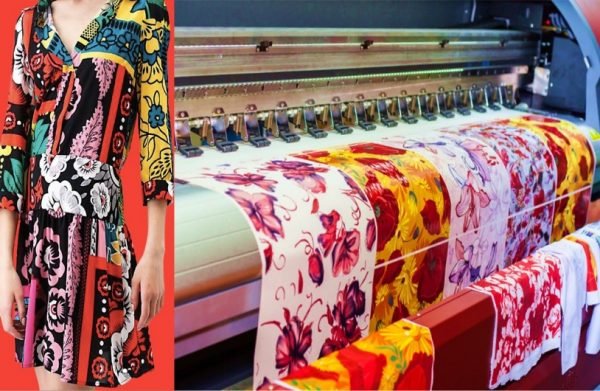


Digital printing on fabric is a textile printing technique that uses digital artwork and specialized inkjet equipment to apply color directly to textile materials. The printer converts information from a computer file into precisely controlled ink droplets and places them on the fabric to create patterns, illustrations, photographs, logos, or other artwork. Unlike conventional screen printing, the process does not normally require a separate physical screen for each color.
The use of Digital printing on fabric has expanded as textile businesses have looked for more flexible production methods. It is particularly useful for sampling, customized products, short production runs, intricate patterns, and designs containing many colors. However, digital printing is not simply a matter of choosing a printer and pressing start. The fiber type, ink chemistry, fabric preparation, color management, fixation, and finishing process all affect the final result.
What Is Digital Printing on Fabric?
Digital textile printing is an inkjet-based method designed specifically for textiles. Specialized printheads release tiny droplets of dye or pigment onto a moving fabric. The printer follows a digital image file and controls where each droplet is placed.
The technology provides considerable design freedom. A single printed textile can contain numerous colors, gradual tonal changes, fine details, and photographic elements. Changes to the artwork can also be made digitally without producing new physical screens.
Different fabrics require different approaches. Cotton and other cellulose fibers commonly use reactive or pigment systems, while polyester is frequently printed using disperse or sublimation technologies. Silk, wool, and nylon can be suitable for acid dye printing. Therefore, fiber composition is one of the first factors to consider when selecting a digital printing process.
How Does Digital Fabric Printing Work?
1. Design Preparation
The process begins with a digital design. Artwork may be created specifically for textile production or adapted from an existing image.
Before printing, the design is checked for size, resolution, repeat structure, and color. For repeating patterns, the artwork must be arranged so that adjacent sections connect correctly. A poorly prepared repeat can create visible lines or breaks across the finished fabric.
Color management is also important because a color displayed on a computer screen does not necessarily appear the same when printed on fabric.
2. Fabric Pretreatment
Some digital textile printing processes require chemical pretreatment before printing. The treatment helps regulate ink absorption and supports color development.
The fabric also needs to be clean, flat, and correctly positioned. Wrinkles, dust, uneven tension, and surface contamination can cause defects.
3. Ink Application
The prepared textile enters the digital printer, where printheads deposit controlled amounts of ink onto its surface. The printer determines the location and quantity of each color based on the digital artwork.
Because ink is applied electronically, digital printing can reproduce complex designs without creating a separate screen for every color.
4. Color Fixation
The printed fabric usually needs a fixation stage. The exact method depends on the ink system.
Reactive dyes are commonly fixed through steaming, allowing the dye to react with suitable textile fibers. Pigment prints generally require heat curing so that the binder holds the pigment to the fabric. Sublimation printing uses heat to transfer disperse dye into polyester fibers.
5. Washing and Finishing
Certain dye-based processes require washing after fixation to remove excess dye and processing chemicals. The textile may then be dried and finished.
Finishing can include softening, pressing, coating, calendaring, or other treatments depending on the final application. These steps can influence the fabric's appearance, hand feel, and performance.
Main Ink Technologies Used in Digital Printing
Reactive Ink
Reactive printing is commonly used for cotton, viscose, linen, and other cellulose-based textiles. The dye chemically reacts with suitable fibers and can provide strong colors and good wash resistance when correctly processed.
It is often selected for apparel and home textiles where color performance and fabric feel are important.
Pigment Ink
Pigment inks contain colored particles that are held on the textile by a binder. They can be used on many types of fabric and can simplify some post-printing operations.
The quality of pigment printing depends heavily on the ink formulation and curing conditions. Poor curing can affect durability and rubbing performance.
Sublimation Ink
Sublimation printing is mainly used for polyester. During heat transfer, the dye changes into a gas and penetrates the polyester fibers before becoming solid again.
The method is widely used for sportswear, flags, banners, soft signage, and other polyester products.
Acid Ink
Acid inks are commonly used for textiles such as silk, wool, nylon, and other compatible fibers. They can produce vibrant colors and detailed images, but appropriate pretreatment and fixation are necessary.
Benefits of Digital Printing on Fabric
Detailed and Colorful Designs
Digital printing can reproduce fine lines, gradients, photographic imagery, and complex patterns. This provides designers with considerably more freedom than methods that depend on a limited number of physical screens.
Efficient Sampling
Creating a textile sample can be faster because there is less physical preparation. Designers can evaluate an idea, modify it, and produce another version without rebuilding an entire screen setup.
Short Production Runs
Digital printing is well suited to limited collections and small orders. This is useful for emerging brands, custom products, seasonal designs, and products that need to be tested before large-scale manufacturing.
Customization
Digital technology makes personalized printing practical. Different designs can be produced within the same production workflow, making it useful for custom clothing, accessories, event products, and decorative textiles.
Flexible Design Changes
A digital file can be edited quickly. Colors, pattern dimensions, images, and layouts can be changed without physically altering printing screens or cylinders.
Applications of Digital Textile Printing
Fashion and Apparel
Digital fabric printing is widely used for dresses, shirts, skirts, scarves, swimwear, sportswear, and fashion accessories. Designers can create unusual patterns, photographic prints, and detailed artwork.
Home Textiles
Curtains, cushions, bedding, upholstery, table linens, and decorative fabrics can be customized with digitally printed patterns. Interior designers can use this flexibility to coordinate textiles with specific spaces.
Sportswear
Polyester printing technologies are useful for sports jerseys and activewear. Teams and manufacturers can include detailed graphics, logos, names, and numbers in their designs.
Promotional Materials
Digitally printed polyester fabrics can be used for flags, exhibition displays, event backdrops, banners, and other promotional products.
Practical Benefits and Key Insights
The most important consideration in digital textile production is compatibility. The fabric, ink, printer, pretreatment, and finishing method should be selected as a complete system.
For example, a cotton shirt intended for frequent washing needs an appropriate cotton printing technology and reliable fixation. A polyester sports jersey requires a different ink system and heat-transfer process.
A physical sample should be tested before a large production run. The sample can reveal issues that are difficult to predict from a digital file, including color variation, fabric distortion, print sharpness, pattern scale, and changes after washing.
Color management deserves particular attention. Monitors create colors using light, while textile printing creates color using dyes or pigments. Proper profiles, calibration, test prints, and controlled production conditions help maintain consistency.
Fabric construction also affects print quality. Smooth, tightly woven fabrics can produce different results from textured or loosely woven materials. The intended end use should therefore influence fabric selection.
Common Challenges and Considerations
Color Differences
The same digital file can produce different results on different fabrics. Fiber type, pretreatment, ink concentration, fixation, and finishing can all influence the final color.
Durability
Print durability depends on the complete printing process. Apparel may need high resistance to washing and rubbing, while outdoor materials may require resistance to sunlight and weather conditions.
Fabric Compatibility
Using the wrong ink for a particular fiber can lead to weak color, bleeding, poor adhesion, or inadequate durability. Fabric composition should always be confirmed before selecting the printing method.
Production Costs
Digital printing can be cost-effective for samples and smaller orders, but the economics vary by production volume. Ink consumption, equipment investment, pretreatment, labor, energy, and finishing all contribute to the final cost.
Process Control
Inconsistent pretreatment, incorrect steaming or curing, poor fabric handling, and printer calibration problems can produce defects. Commercial operations need regular maintenance and quality checks.
Frequently Asked Questions
1. What is digital printing on fabric used for?
It is used for apparel, home furnishings, sportswear, accessories, flags, banners, promotional textiles, and customized textile products.
2. Can digital printers print on cotton?
Yes. Cotton can be digitally printed using suitable reactive dye or pigment systems. The correct method depends on the required appearance, durability, production conditions, and finishing requirements.
3. Is digital printing on fabric durable?
It can be very durable when the correct fabric, ink, pretreatment, and fixation method are used. Actual performance depends on the intended use and care conditions.
4. Is digital printing suitable for small quantities?
Yes. Short runs are one of the key applications because digital printing requires less physical setup than many conventional printing processes.
5. How can print quality be improved?
Use compatible materials, prepare artwork correctly, control color management, maintain consistent pretreatment, follow the recommended fixation process, and test a production sample before beginning a larger order.
Conclusion
Digital printing on fabric has become an important textile production technology because it combines digital design flexibility with precise inkjet printing. It allows manufacturers and designers to produce detailed artwork, customized patterns, samples, and limited collections without relying on the same physical setup required by many conventional printing methods.
The best results come from treating printing as a complete process rather than focusing only on the printer. Fabric composition, ink selection, pretreatment, color management, fixation, washing, and finishing must work together. When these factors are properly controlled, digital textile printing can provide high-quality and practical results for fashion, home textiles, sportswear, promotional products, and many other applications.
What's Your Reaction?
 Like
0
Like
0
 Dislike
0
Dislike
0
 Love
0
Love
0
 Funny
0
Funny
0
 Wow
0
Wow
0
 Sad
0
Sad
0
 Angry
0
Angry
0









Comments (0)