



How Ecommerce Website Development Supports Local Retailers
Enterprise eCommerce development company in St. Louis for B2B businesses. We build Shopify, Magento, WooCommerce, and custom eCommerce solutions with ERP, CRM, and inventory integrations.



Introduction
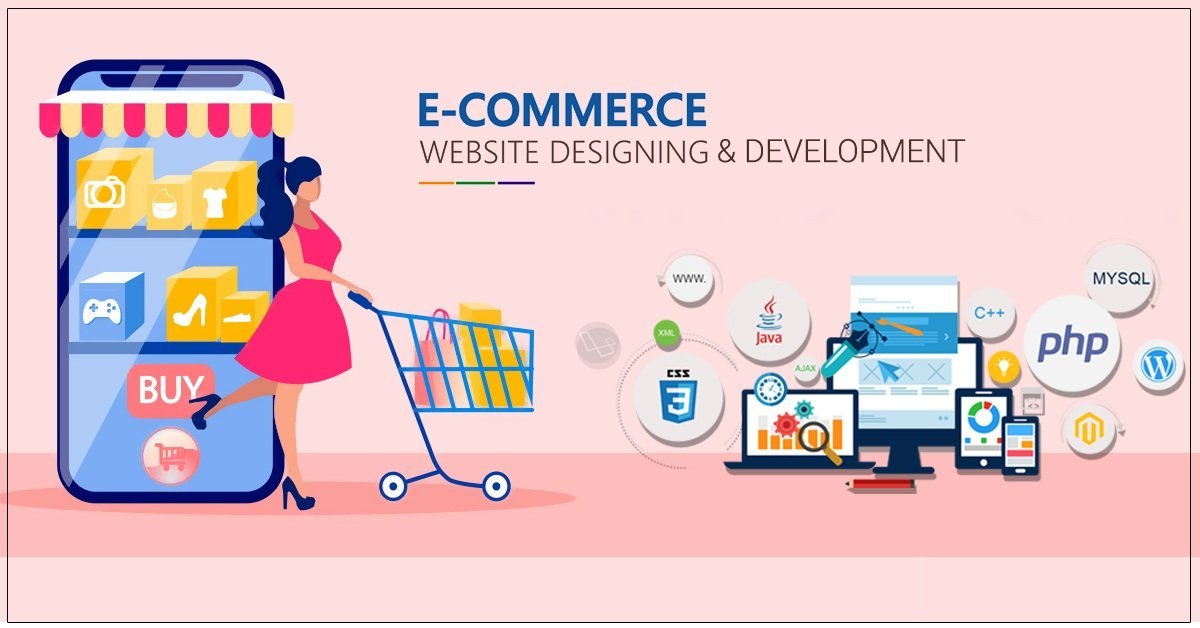
Retail is no longer limited to customers who walk through a store’s doors. People increasingly research products online, compare options, check availability, and decide where to shop before making a purchase. For local retailers, having a strong digital presence can make it easier to stay connected with customers and create new opportunities for growth. Working with an Ecommerce Development Company St. Louis can help businesses build an online store that complements their physical location while providing a convenient way for customers to shop. A well-planned ecommerce website does more than display products. It can support marketing, payments, inventory management, customer service, and order fulfillment while creating a consistent shopping experience across online and offline channels.
Why Local Retailers Need Ecommerce Websites
Customer expectations have changed. A shopper may discover a local business through search, browse its products from a smartphone, and expect to complete a purchase without visiting the store immediately.
An ecommerce website gives retailers another way to serve those customers. A local ecommerce website can showcase products, explain services, answer common questions, and provide purchasing options at any time.
For small businesses and independent retailers, online store development can also reduce dependence on foot traffic. The physical store remains important, but the website becomes another sales and communication channel that can operate alongside it.
Ways Ecommerce Development Supports Local Retailers
Reach Customers Beyond the Local Store
A physical location naturally limits how many people can visit a business. Ecommerce website development can extend that reach by allowing customers outside the immediate area to discover and purchase products.
A retailer can organize products into categories, optimize product pages for search, and create useful content that attracts people looking for specific products. This can help a local business build visibility beyond its usual neighborhood.
Provide 24/7 Shopping Convenience
A physical store has opening and closing hours, but an ecommerce website can remain available around the clock. Customers can browse products, review prices, submit orders, or learn about a business whenever it is convenient for them.
This flexibility is particularly useful for people who work unusual hours or prefer shopping online before visiting a physical store.
Strengthen Local SEO Visibility
Ecommerce development can also support local search strategies. Retailers can optimize important pages with relevant location information, product descriptions, business details, and useful content.
For example, someone searching for a product or service using terms such as “near me” may discover a local retailer through search results. A properly structured website gives search engines useful information about what the business offers and where it operates.
Local SEO should work alongside other digital marketing activities rather than being treated as a separate part of the website.
Improve Mobile Shopping
Many customers discover and research products using smartphones. A responsive ecommerce website adapts its layout to different screen sizes, making navigation, product browsing, and checkout easier on mobile devices.
Mobile-friendly design can include readable product information, simple navigation, prominent calls to action, fast-loading pages, and checkout forms that are easy to complete on a smaller screen.
Create a Better Product Experience
An ecommerce website gives retailers more space to present their products. Instead of relying only on shelf displays, businesses can provide product photos, descriptions, specifications, pricing, availability, customer reviews, and related products.
This information helps customers make more informed purchasing decisions and creates a more consistent experience across different sales channels.
Offer Secure Payment and Checkout Options
A smooth checkout process is an important part of ecommerce. Retailers can provide secure payment methods while designing checkout pages that are simple and easy to understand.
Reducing unnecessary steps, clearly displaying costs, and providing useful order information can make the purchasing process more convenient for customers.
Connect Inventory and Order Management
For retailers selling both online and in-store, keeping track of inventory can become challenging. Ecommerce solutions for retailers can connect online orders with inventory and fulfillment processes.
Depending on the platform and setup, retailers can manage product availability, update stock levels, process orders, and organize fulfillment from a central system.
Support Click-and-Collect and Local Delivery
An ecommerce website does not have to replace the physical store. Instead, it can connect online shopping with local services.
Retailers can offer options such as in-store pickup, click-and-collect, or local delivery. Customers can place an order online and choose the fulfillment method that works best for them.
This approach can make ecommerce more useful for local customers while encouraging them to continue interacting with the physical store.
Understand Customer Behavior
Analytics can provide useful information about how customers interact with an online store. Retailers can review which products receive attention, which pages attract visitors, where customers leave the purchasing process, and which marketing activities generate engagement.
These insights can help businesses make informed decisions about product presentation, promotions, content, and website improvements.
Features That Benefit Local Businesses
A local retailer’s ecommerce website can include a range of practical features, including:
- Organized product catalogs with detailed descriptions
- Secure online payment options
- Shopping carts and streamlined checkout
- Store pickup and local delivery options
- Customer reviews and ratings
- Contact forms and business information
- Promotional codes and seasonal offers
- Email signup forms
- Related and recommended products
- Order confirmation and tracking
- Inventory availability information
For example, imagine a local home décor retailer that traditionally relies on customers visiting its showroom. With an ecommerce website, the retailer could photograph its products, publish detailed descriptions, accept online orders, and offer local pickup. A customer searching online for a specific type of décor could discover the store, place an order from home, and collect it later. The same website could encourage customers to sign up for emails and receive updates about new products or seasonal promotions.
Choosing the Right Ecommerce Development Partner
Choosing an ecommerce development partner requires more than comparing website prices. Retailers should consider whether the development team understands ecommerce requirements and can create a website around the business’s actual needs.
Look for experience with platforms such as Shopify, WooCommerce, or BigCommerce, depending on the business model and requirements. Ask how the company approaches customization, responsive design, payment integration, security, inventory connections, and search engine optimization.
Scalability is also important. A website that works for a small product catalog should be able to accommodate additional products, customers, orders, and features as the business grows.
Ongoing maintenance and support should also be considered. Ecommerce websites require regular updates, security checks, performance improvements, and troubleshooting. Having reliable support can help retailers keep their online operations running smoothly.
Conclusion
Ecommerce website development gives local retailers a practical way to connect their physical stores with the digital shopping habits of today’s customers. From expanding customer reach and supporting local search visibility to enabling mobile shopping, secure checkout, local delivery, and store pickup, an online store can become an important part of a retailer’s overall business strategy.
With the right platform, user experience, integrations, analytics, and ongoing support, a local ecommerce website can grow alongside the business and create opportunities for repeat purchases and stronger customer relationships.
Retailers considering their next step can explore professional St. Louis ecommerce development services and work with an Ecommerce Development Company St. Louis that understands their goals, customers, and long-term growth plans.
What's Your Reaction?
 Like
0
Like
0
 Dislike
0
Dislike
0
 Love
0
Love
0
 Funny
0
Funny
0
 Wow
0
Wow
0
 Sad
0
Sad
0
 Angry
0
Angry
0











Comments (0)