A long day at work can be hard on your feet, especially when your job involves standing for hours, walking across rough ground, or carrying equipment from one place to another. The shoes you wear can make a real difference to how you feel by the end of the day. This is why choosing the right work boots for mens is important. A good pair should feel comfortable, provide dependable support, and handle the conditions you face at work.
There are plenty of styles available today, from traditional leather boots to lightweight designs with modern cushioning. Some are made for construction sites and industrial environments, while others are better suited to warehouses, workshops, farms, and outdoor jobs. Understanding what makes a good pair of men's work boots can help you find footwear that fits your daily routine.
Why Choosing the Right Work Boots Matters
Not every job puts the same demands on your feet. Someone working in a warehouse may spend most of the day walking on concrete, while a construction worker might deal with gravel, mud, uneven ground, and heavy materials. Regular casual shoes are not always designed to handle these conditions.
Work boots are made with durability and support in mind. They usually feature stronger uppers, tougher outsoles, and construction intended for demanding environments. The right pair can also help reduce discomfort during long shifts.
Before buying work boots, think about where you work, how much you move around, and the type of protection your job requires. These details will help narrow down the options.
Different Types of Men's Work Boots
Work boots come in several styles, and each has its own purpose. Knowing the differences can make shopping easier.
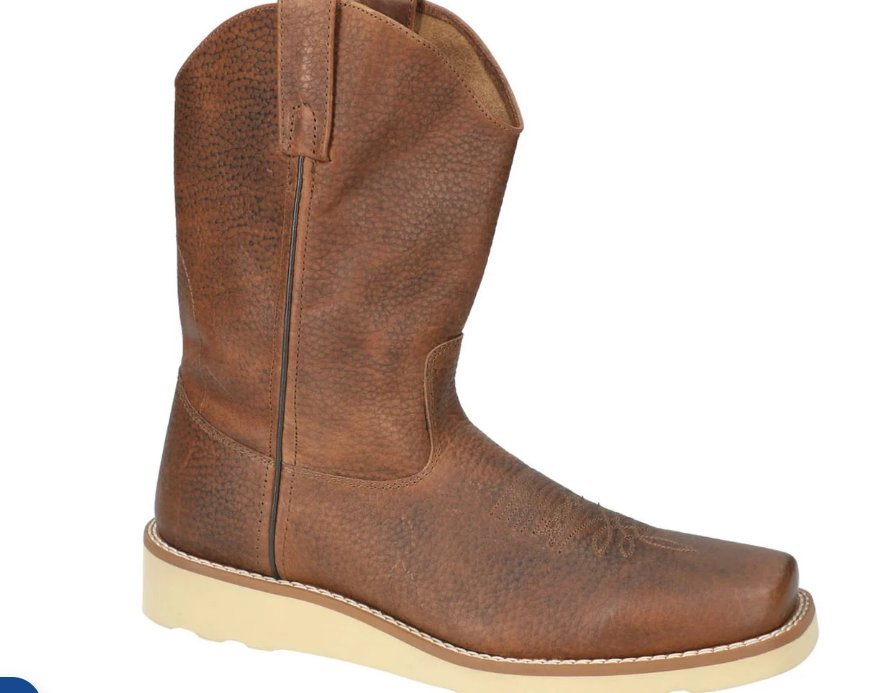
Leather Work Boots
Leather boots are a traditional choice for many types of work. They are valued for their durability and sturdy construction. With regular care, good leather can hold up well against everyday wear and tear.
Leather work boots are commonly worn in workshops, construction environments, and outdoor jobs. They can feel stiff when new, so allowing time for them to break in may improve comfort.
Steel Toe and Safety Toe Boots
Some workplaces require extra protection around the toes. Safety toe boots are designed to help protect against certain workplace hazards, such as falling objects or accidental impacts.
Steel toe boots are one option, while other models use composite materials. The right choice depends on workplace requirements, comfort preferences, and the relevant safety standards. Always check the specifications rather than assuming every work boot offers the same protection.
Waterproof Work Boots
If your job involves rain, wet ground, or damp conditions, waterproof boots may be worth considering. They are designed to help prevent water from entering the boot, keeping your feet drier during outdoor work.
However, waterproof materials can sometimes feel warmer than breathable alternatives. Consider the climate and your working conditions before choosing a pair.
Lightweight Work Boots
Traditional work boots can feel heavy, particularly when worn throughout a long shift. Lightweight designs offer another option for people who walk frequently or move between different work areas.
Many modern boots use lighter materials while still providing sturdy construction. They can be a practical choice for warehouse employees, maintenance workers, and people who spend much of the day on their feet.
What Makes Men's Work Boots Comfortable?
Comfort is about more than soft cushioning. A boot needs to fit properly and support your feet throughout the working day.
Proper Fit
The first thing to check is the fit. Your toes should have enough room to move, and your heel should remain secure without excessive slipping. Boots that are too tight can cause rubbing and pressure, while oversized boots may make walking uncomfortable.
Try boots on with the type of socks you normally wear to work. If you use thicker socks, make sure there is still enough room inside the boot.
Cushioning and Insoles
The surface you work on can affect how your feet feel at the end of the day. Concrete floors, for example, can be tiring when you spend hours standing or walking on them.
Cushioned insoles and supportive midsoles can make a difference. Some boots also allow you to replace the original insoles with another suitable option, depending on your comfort needs.
Ankle Support
Boots with a higher cut can provide additional coverage around the ankle. This may be useful when working on uneven surfaces or moving around outdoor job sites.
However, ankle height alone does not guarantee protection against twists or injuries. The overall fit, construction, and suitability for the task are also important.
Why Traction Is Important
Work environments are not always clean or dry. You might encounter wet floors, loose gravel, sawdust, mud, or other materials that affect your footing.
Look for work boots with outsoles suited to the surfaces you regularly walk on. Rubber outsoles with appropriate tread patterns can help provide grip and stability.
If you work around oil, chemicals, or other slippery substances, check whether the boots are specifically rated for those conditions. A general-purpose sole may not provide the protection you need.
How to Choose Work Boots for Your Job
Before purchasing men's work boots, consider your everyday responsibilities.
For construction work, you may need safety toe protection, durable materials, and soles designed for the job site. Warehouse workers may prefer lightweight boots with comfortable cushioning for long periods of walking. Outdoor workers might benefit from waterproof construction, particularly during rainy seasons.
For workshop or maintenance jobs, consider the potential hazards, floor conditions, and whether electrical or chemical protection is required. No single pair of boots is suitable for every occupation, so always follow your employer's footwear requirements.
It is also worth thinking about how often you will wear the boots. If you use them every day, durability and comfort should be priorities rather than choosing a pair based only on appearance or price.
Taking Care of Your Work Boots
Work boots can collect dust, mud, moisture, and other debris during regular use. A little maintenance can help keep them in better condition.
After work, remove loose dirt with a soft brush or cloth. If the boots become wet, let them dry naturally in a well-ventilated area. Avoid placing them directly beside a heater, as excessive heat may damage leather, adhesives, and other materials.
Leather boots may benefit from an appropriate conditioner, while waterproof footwear should be maintained according to the manufacturer's instructions. Check the soles, stitching, and upper materials regularly for signs of wear.
If the tread becomes badly worn, the structure is damaged, or the boots no longer provide the required protection, it may be time to replace them.
Getting the Best Value From Your Work Boots
The cheapest pair is not always the most economical choice over time. Boots that wear out quickly or cause discomfort may need replacing sooner than expected.
Instead of focusing only on the price, consider the materials, construction, comfort, and features included. A well-made pair that suits your working conditions may provide better value over its useful life.
It is also important to choose boots that meet the safety requirements of your workplace. Features such as waterproofing, protective toe caps, and slip-resistant outsoles serve different purposes, so check which ones you actually need.
Final Thoughts
Finding the right work boots for mens starts with understanding what your job demands from your footwear. Comfort, fit, durability, traction, and appropriate safety features all deserve attention when comparing different styles. Whether you spend your day on a construction site, in a warehouse, in a workshop, or working outdoors, the right boots can make everyday tasks more comfortable.
Modern men's work boots offer plenty of choices, from traditional leather designs to lightweight and waterproof options. Taking the time to compare their features and try different fits can help you find a pair that suits your routine.
At Housershoes, you can explore a selection of men's footwear from established comfort and outdoor brands. Whether you're looking for durable boots for demanding work environments or comfortable footwear for everyday use, choosing a pair that matches your needs can help you feel more prepared for the working day.







 Like
0
Like
0
 Dislike
0
Dislike
0
 Love
0
Love
0
 Funny
0
Funny
0
 Wow
0
Wow
0
 Sad
0
Sad
0
 Angry
0
Angry
0










Comments (0)